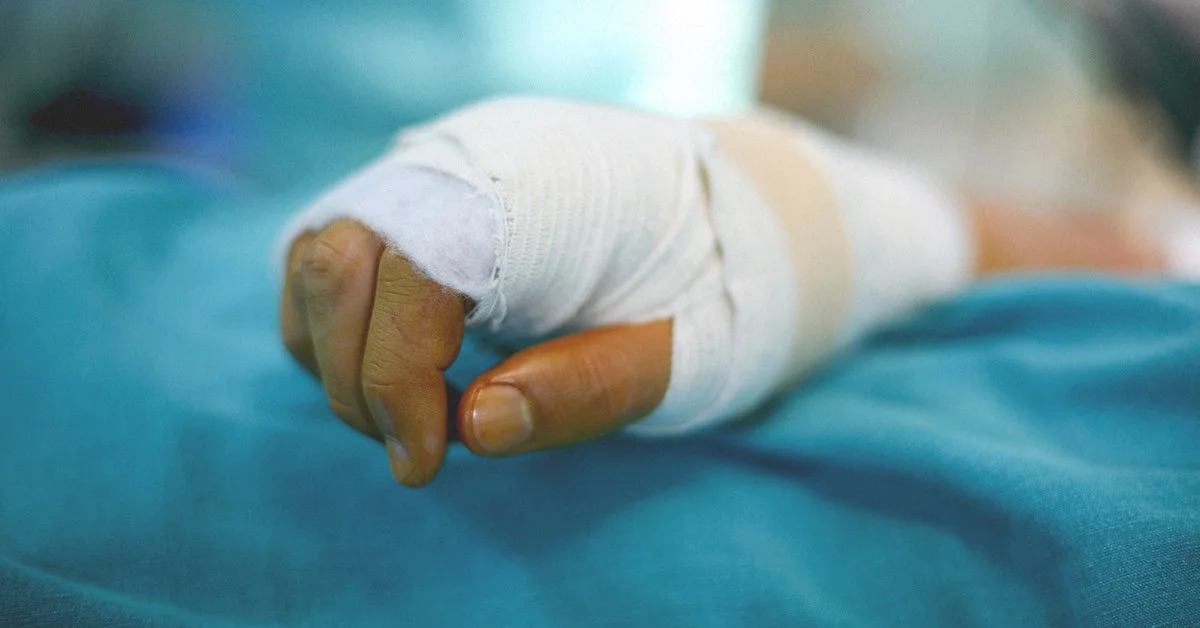
Things to know in case of an Injury to your hand
Hand Injury: What You Should Know and Do
A hand injury can happen suddenly—from a fall, cut, crush injury, sports injury, or accident. Because the hand contains many small bones, joints, tendons, nerves and blood vessels working together, even a seemingly minor injury should not be ignored.
What should you do immediately?
1. Stop using the injured hand
Avoid unnecessary movement, especially if there is severe pain, swelling or deformity.
2. Control bleeding
For a cut or open wound, apply firm, gentle pressure with a clean cloth or sterile gauze. If bleeding does not stop, seek medical attention urgently.
3. Reduce swelling
Keep the hand elevated above the level of the heart. A cold pack wrapped in a cloth can be applied for 15–20 minutes at a time. Do not apply ice directly to the skin.
4. Remove rings and jewellery
Swelling can develop quickly after an injury and may make rings difficult or impossible to remove. Take them off as soon as possible.
5. Do not try to straighten or manipulate the finger or hand
If there is a suspected fracture or dislocation, keep the hand in a comfortable position and get it examined.
When should you see a doctor urgently?
Seek immediate medical attention if there is:
Severe pain or rapidly increasing swelling
Obvious deformity or a finger that looks out of position
Inability to move a finger, thumb or wrist
Numbness, tingling or loss of sensation
A deep cut, especially over a joint
A cut with visible tendon, bone or deep tissue
Persistent or uncontrolled bleeding
A finger that becomes pale, blue or unusually cold
A crush injury or significant machinery-related injury
Loss of movement after a cut, even if the wound appears small
Remember: a small wound can hide a major injury
A cut on the hand may damage a tendon, nerve or blood vessel even when the skin wound looks insignificant. Similarly, some fractures and ligament injuries may initially appear like simple sprains.
Do not wait for the swelling to settle before getting an important hand injury assessed. Early diagnosis and appropriate treatment can make a major difference to recovery and hand function.
The most important message
Protect the hand, control bleeding and swelling, remove rings, avoid unnecessary movement, and seek timely medical evaluation when in doubt.
Your hands are essential for almost everything you do. Treat hand injuries seriously—early care can prevent long-term stiffness, weakness and loss of function.